Spot the Signs and Symptoms of Obstructive Sleep Apnea
Spot the Signs and Symptoms of Obstructive Sleep Apnea
Obstructive Sleep Apnea (OSA) is a common sleep disorder that affects millions of people worldwide. It occurs when the airway becomes partially or completely blocked during sleep, causing repeated interruptions in breathing throughout the night.
Many people with sleep apnea remain undiagnosed because they are unaware of the symptoms. Recognizing the warning signs early can help you seek appropriate medical advice and improve your overall sleep health.
What Is Obstructive Sleep Apnea?
Obstructive Sleep Apnea occurs when the muscles in the throat relax excessively during sleep, narrowing or blocking the airway. These breathing interruptions can happen multiple times per hour and may significantly affect sleep quality.
Common Signs and Symptoms
1. Loud Snoring
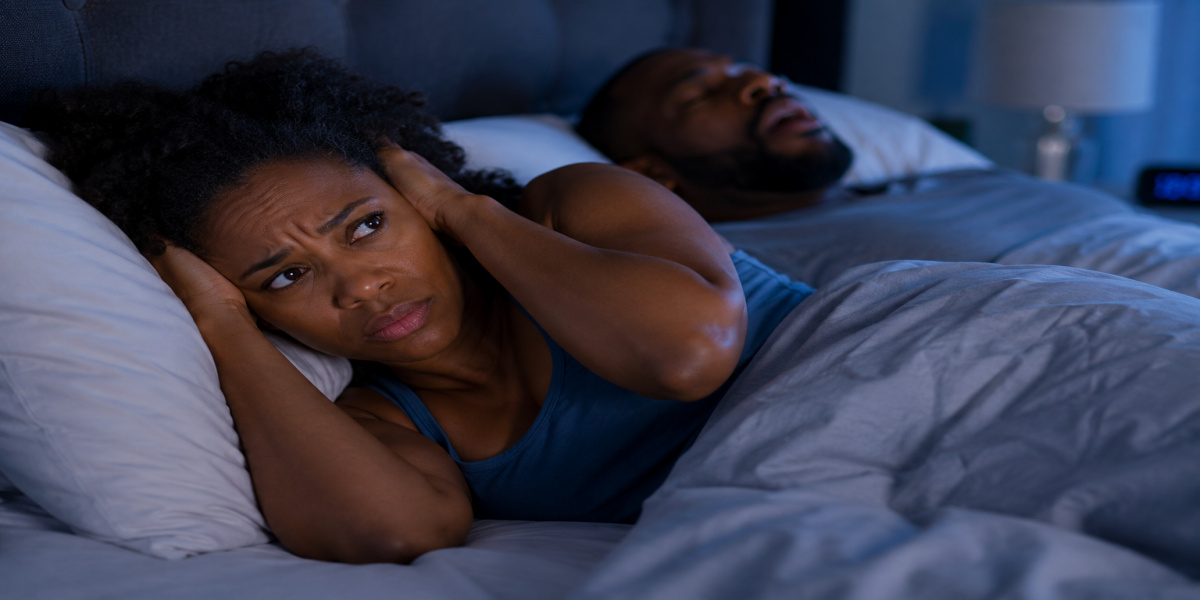
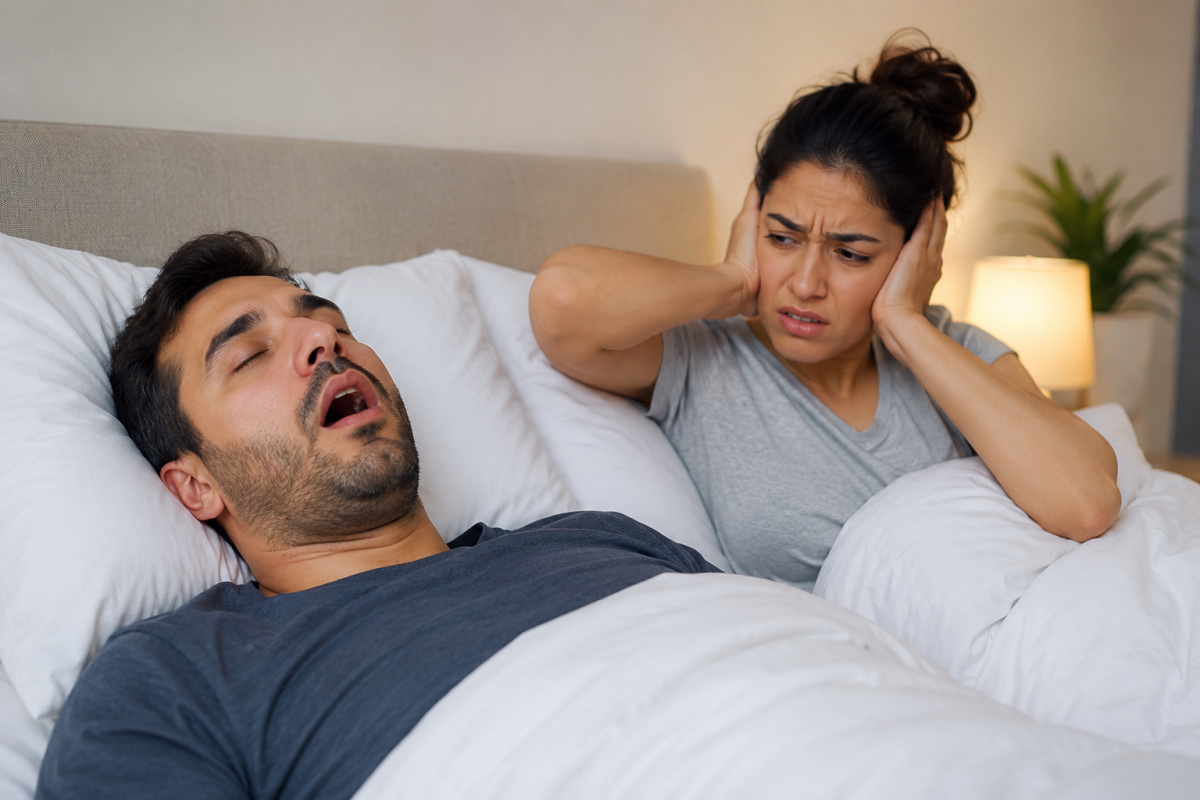
Frequent and loud snoring is one of the most common signs of obstructive sleep apnea. While not everyone who snores has sleep apnea, persistent loud snoring may indicate an underlying issue.
2. Pauses in Breathing During Sleep
Family members or bed partners may notice periods when breathing stops temporarily during sleep, followed by gasping or choking sounds.
3. Excessive Daytime Sleepiness
People with sleep apnea often feel tired during the day, even after spending enough hours in bed.
4. Morning Headaches
Frequent morning headaches may occur due to reduced oxygen levels and disrupted sleep patterns.
5. Difficulty Concentrating
Poor sleep quality can affect memory, focus, productivity, and decision-making abilities.
6. Irritability and Mood Changes
Sleep deprivation caused by untreated sleep apnea may contribute to mood swings, irritability, and increased stress.
7. Dry Mouth or Sore Throat
Waking up with a dry mouth or sore throat can be another indication of nighttime breathing difficulties.
Who Is at Higher Risk?
- Individuals who are overweight
- Adults over the age of 40
- People with a family history of sleep apnea
- Individuals with high blood pressure
- People who smoke or consume alcohol regularly
- Those with narrowed airways or nasal congestion
Why Early Detection Matters
Untreated sleep apnea may increase the risk of several health problems, including high blood pressure, heart disease, daytime fatigue, and reduced quality of life.
Early diagnosis and proper treatment can help improve sleep quality, energy levels, and overall well-being.
When to Talk to a Healthcare Professional
If you experience several of these symptoms regularly, consider discussing them with a healthcare professional or sleep specialist. A sleep evaluation may help determine whether sleep apnea is affecting your health.
Final Thoughts
Recognizing the signs of obstructive sleep apnea is the first step toward better sleep and better health. Paying attention to symptoms such as loud snoring, daytime fatigue, and breathing interruptions can help you take action before the condition affects your quality of life.
Better Awareness. Better Sleep. Better Health.
SEO Keywords: Obstructive Sleep Apnea, Sleep Apnea Symptoms, Loud Snoring, Sleep Health, Daytime Sleepiness, Sleep Disorder Signs, Better Sleep, CPAP Therapy, Sleep Apnea Awareness, Healthy Sleep.
Share this article: